Homemade Garlic Aioli Sauce
Highlighted under: Global Plate Classics
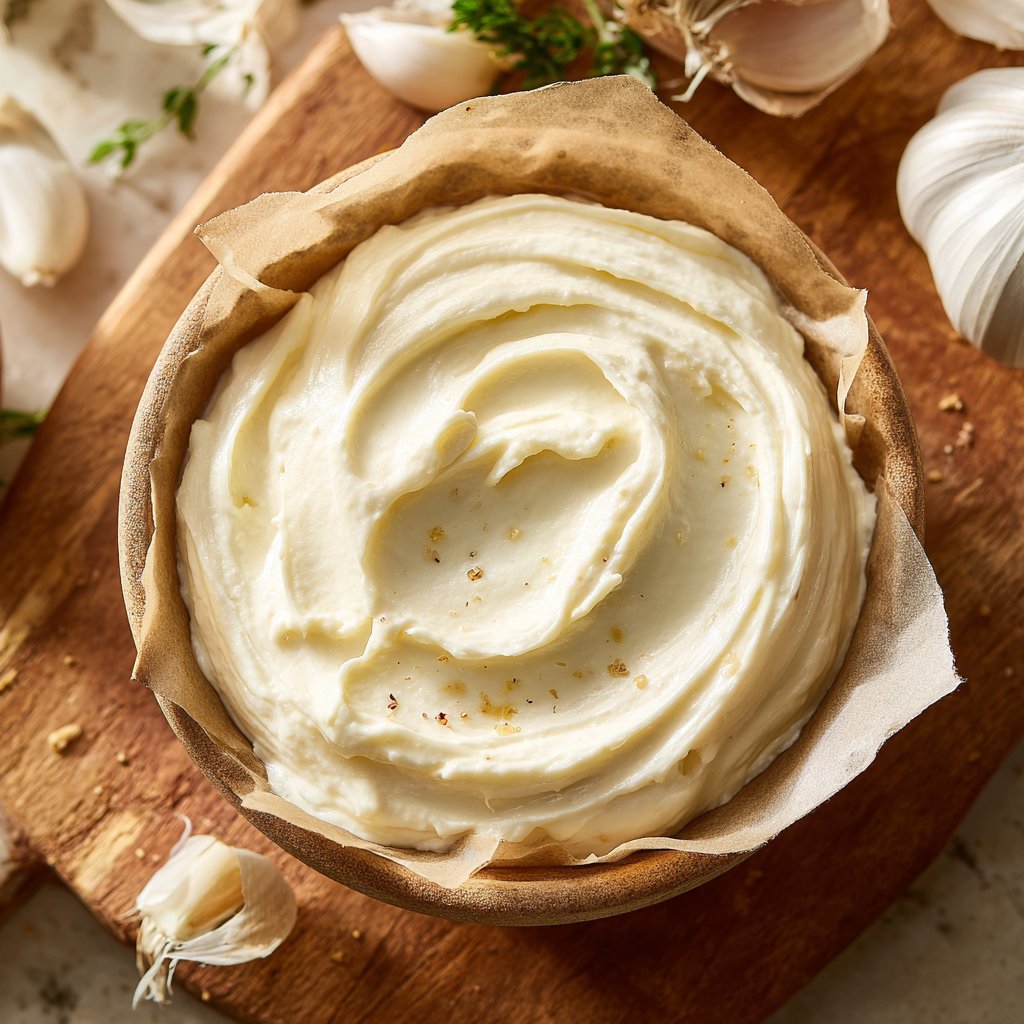
When I first decided to make my own garlic aioli sauce, I was determined to create a creamy, flavorful condiment that would elevate my dishes. I love how simple ingredients can come together to form something deliciously versatile. With just a few pantry staples, I was able to whip up this rich aioli that pairs perfectly with everything from fresh veggies to grilled meats. The best part? I can control the ingredients entirely, making it not just tasty, but healthier too. This recipe has quickly become a staple in my kitchen!

Creating this garlic aioli sauce was a journey for my taste buds—one that led me to explore the beauty of flavors in a simple blend. I experimented with different ratios of garlic, lemon juice, and olive oil to find the perfect balance, and the result was a smooth, garlicky delight that has become my go-to dip!
One important tip I learned during this process is to use fresh garlic; it truly makes a difference in flavor. I also discovered that blending the ingredients slowly helps achieve that wonderful creamy texture, making it a restaurant-quality addition to any meal.
Why You'll Love This Recipe
- Rich, garlicky goodness that brightens up every dish
- Creamy consistency without the need for store-bought preservatives
- Versatile use as a dip, spread, or marinade for various cuisines
Mastering the Emulsion
Creating a successful aioli relies heavily on the emulsification process, which combines your oil with the egg yolk and mustard mixture. Begin by whisking vigorously as you drizzle in the oil; maintaining this steady stream is crucial for achieving that creamy texture. If the mixture breaks or doesn't thicken, try to add a teaspoon of cold water or an additional egg yolk to help stabilize the emulsion. The visual cue you want to look for is a glossy, thickened sauce that holds its shape on a spoon.
The temperature of your ingredients can also affect emulsion stability. If your olive oil is too cold, you may end up with a broken emulsion. Allow your oil to reach room temperature before starting the process. I prefer using a bowl that is not too deep to facilitate easier whisking, ensuring all the ingredients come together seamlessly.
Flavor Adaptations
While the classic garlic aioli is delicious, experimenting with flavors can elevate the sauce even further. Consider adding a teaspoon of smoked paprika for a subtle smoky undertone or replacing garlic with roasted garlic for a sweeter, mellower flavor. Fresh herbs like basil or cilantro can also introduce refreshing notes, perfect for summer dishes. Just be mindful to maintain the balance of flavors; taste as you go to avoid overpowering the garlic base.
If you're looking to reduce the garlic intensity, try adding chopped sun-dried tomatoes or even a hint of jalapeño for a spicy twist. Each substitution offers a unique perspective to this versatile sauce, making it fit for numerous cuisine types and personal preferences.
Storage and Shelf Life
Homemade garlic aioli is best consumed fresh, but you can store any leftovers in an airtight container in the refrigerator for up to a week. To maintain its creamy texture, give it a good stir before serving as separation can occur. If you find the aioli has thickened too much, adding a teaspoon of water or lemon juice can help bring it back to the desired consistency.
For meal prep enthusiasts, consider making a larger batch to pair with various dishes throughout the week. Just remember to label your container with the date it's made to keep track of freshness. Aioli can also be frozen, although the texture may change when thawed. If freezing, opt for smaller portions for easy use, and let them defrost naturally in the fridge overnight before using.
Ingredients
Gather these ingredients for a delicious homemade garlic aioli sauce:
Ingredients
- 1 large egg yolk
- 1 tablespoon Dijon mustard
- 1 teaspoon lemon juice
- 1 cup olive oil
- 2-3 cloves garlic, minced
- Salt, to taste
- Pepper, to taste
Ensure all ingredients are at room temperature for the best emulsion.
Instructions
Follow these simple steps to make your aioli:
Combine Base Ingredients
In a mixing bowl, whisk together the egg yolk, Dijon mustard, and lemon juice until well combined.
Add Olive Oil Slowly
While whisking continuously, start to drizzle in the olive oil slowly. This should create a creamy emulsion.
Mix in Garlic
Once the aioli thickens, fold in the minced garlic. Season with salt and pepper to taste.
Adjust to Preference
Taste and adjust the garlic or lemon juice according to your preference for flavor.
Enjoy your aioli as a dip or spread for your favorite dishes!
Pro Tips
- Remember, the key to a successful aioli is to add the oil very slowly at first to ensure proper emulsification. If it curdles, you can simply start with a new egg yolk and incorporate the curdled aioli gradually.
Serving Suggestions
This homemade garlic aioli sauce is incredibly versatile and can be paired with a multitude of dishes. It works wonders as a dip for vegetables, serving as a veggie platter highlight, or as a creamy addition to fish tacos. Spread it onto sandwiches or burgers to elevate their flavor, providing that rich, garlicky note that cuts through the fat of meats beautifully.
You can also use this aioli as a marinade for grilling meats or veggies. Simply coat your ingredients in the aioli prior to grilling, allowing the flavors to mingle for at least 30 minutes for optimal taste infusion. The acid from the lemon juice helps to tenderize the proteins, making for a juicy and succulent meal.
Customization Options
If you're looking to tailor this recipe to specific dietary needs, you can easily make substitutions. For a vegan version, replace the egg yolk with aquafaba, the liquid from canned chickpeas, which creates a similarly stable emulsion. Use a neutral oil, like avocado oil, to keep the flavor mild while maintaining creaminess.
Should you have allergies or aversions to garlic, feel free to explore alternatives like shallots or herbs. The versatility of aioli lends itself to creativity; you can create different flavor profiles by incorporating ingredients like mayonnaise, capers, or even mustard for a tangy finish. Just remember, the key is to balance any additional flavors with the core elements of the sauce.
Questions About Recipes
→ Can I use a blender instead of whisking by hand?
Yes, using a blender is a great way to make aioli quickly! Just add the ingredients and blend until emulsified.
→ How long can I store homemade aioli?
You can store homemade aioli in the refrigerator for up to 3 days. Be sure to keep it in an airtight container.
→ Can I make this recipe vegan?
You can substitute the egg yolk with a tablespoon of aquafaba (chickpea brine) for a vegan version of aioli!
→ What dishes pair well with garlic aioli?
Garlic aioli is perfect for dipping fries, spreading on sandwiches, or drizzling over grilled vegetables or meats.
Homemade Garlic Aioli Sauce
What You'll Need
Ingredients
- 1 large egg yolk
- 1 tablespoon Dijon mustard
- 1 teaspoon lemon juice
- 1 cup olive oil
- 2-3 cloves garlic, minced
- Salt, to taste
- Pepper, to taste
How-To Steps
In a mixing bowl, whisk together the egg yolk, Dijon mustard, and lemon juice until well combined.
While whisking continuously, start to drizzle in the olive oil slowly. This should create a creamy emulsion.
Once the aioli thickens, fold in the minced garlic. Season with salt and pepper to taste.
Taste and adjust the garlic or lemon juice according to your preference for flavor.
Extra Tips
- Remember, the key to a successful aioli is to add the oil very slowly at first to ensure proper emulsification. If it curdles, you can simply start with a new egg yolk and incorporate the curdled aioli gradually.
Nutritional Breakdown (Per Serving)
- Calories: 120 kcal
- Total Fat: 13g
- Saturated Fat: 2g
- Cholesterol: 37mg
- Sodium: 10mg
- Total Carbohydrates: 1g
- Dietary Fiber: 0g
- Sugars: 0g
- Protein: 1g